Ngorongoro Conservation Area

Ngorongoro Conservation Area- Tanzania

Take a trip you’ll never forget to the Ngorongoro Conservation Area, nestled in Tanzania’s core. This spot, celebrated as a UNESCO World Heritage Site, is a treasure trove of geological wonders, a kaleidoscope of biodiversity, and a pivotal location for some of the earliest human relics discovered. Ngorongoro, with its legendary crater, sprawling savannahs, and verdant highlands, beckons you to discover the unmatched splendor of a pristine caldera teeming with vitality.

history and background of Ngorongoro Conservation Authority

The Ngorongoro Conservation Area stretches across a breathtaking expanse of highland plains, savanna, savanna woodlands, and forests. It was set up in 1959, breaking new ground as a multifaceted land use experiment where humans and wildlife share a living space. Ngorongoro has evolved into a beacon of natural resource management. It narrates a deep tale of human evolution and our interactions with nature, embodying the famed Olduvai Gorge, a site where traces of early humans have come to light.

What's special!

What is Ngorongoro Conservation Authority Known For?

01: Ngorongoro Crater

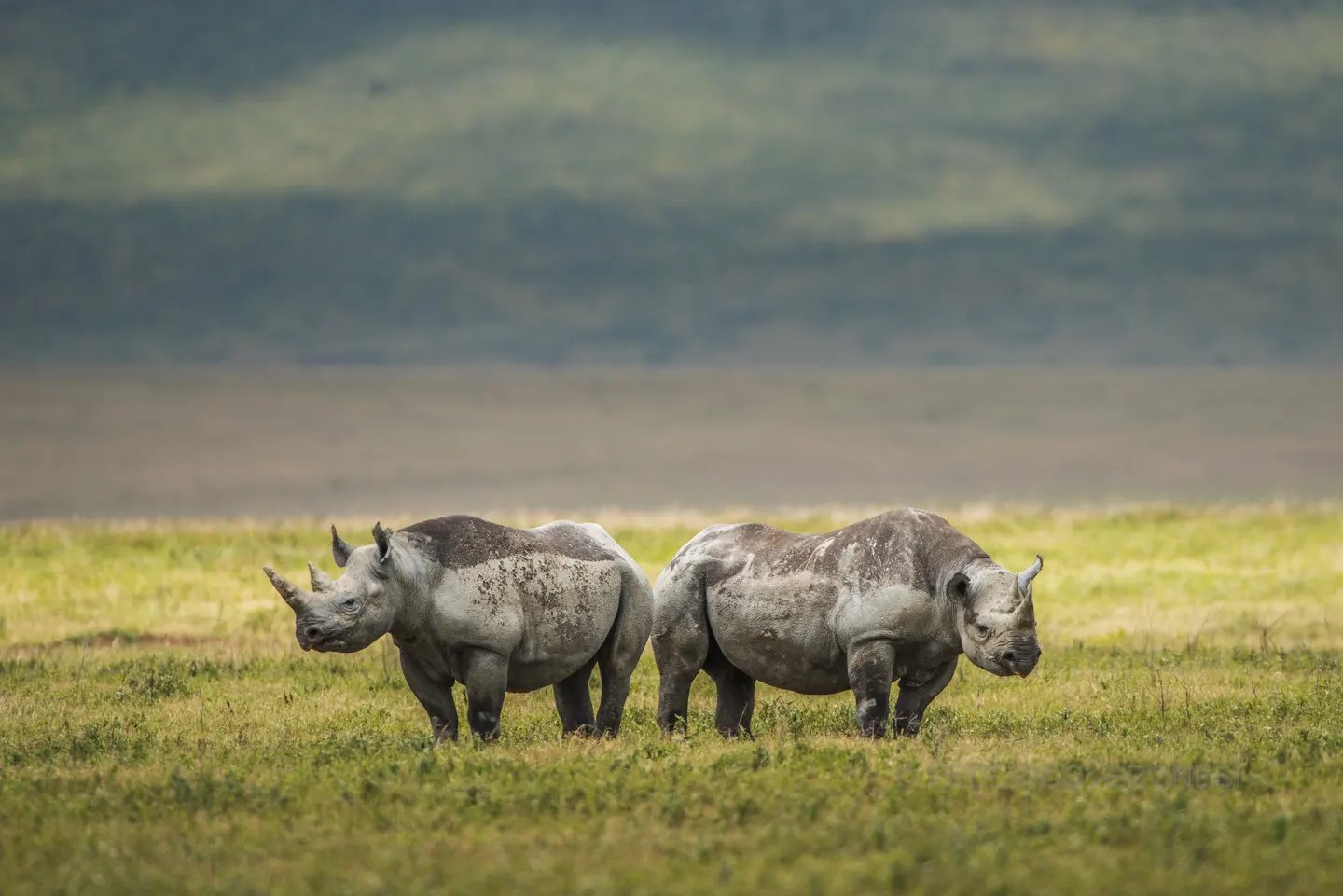
Ngorongoro Crater, a breathtaking natural wonder in Tanzania, forms a unique ecosystem. This vast, volcanic caldera shelters a diverse array of wildlife, including the Big Five, within its unbroken walls. A UNESCO site, it’s a microcosm of African savannah life, offering unparalleled safari experiences.

02: Wildlife Diversity

Beyond its iconic crater, the Ngorongoro area boasts varied ecosystems. These habitats support rich wildlife, including dense predator populations and vast herds of wildebeest and zebras, showcasing the area’s immense biodiversity and ecological value.

03: Cultural Heritage

The Ngorongoro Conservation Area is a cultural treasure trove, preserving the rich heritage of the Maasai people alongside ancient human footprints and archaeological wonders like Olduvai Gorge. It embodies the seamless blend of nature and human history, offering insights into early human life and indigenous culture.

What to do!

Things to Do In Ngorongoro Conservation Area- Tanzania Authority

Ngorongoro Conservation Area- Tanzania

Crater Safaris

Ngorongoro Crater safaris offer unmatched wildlife encounters, showcasing the Big Five amidst spectacular landscapes. It's a unique adventure within a breathtaking natural amphitheater in Tanzania.

Cultural Tours

Cultural tours in Ngorongoro delve into the rich Maasai heritage. Visitors engage with local communities, learn about traditional customs, and experience the vibrant culture. It's a journey into the heart of Tanzania's indigenous life.

Archaeological Sites

Archaeological sites in Ngorongoro unveil human history's layers. Visitors explore ancient footprints and relics in places like Olduvai Gorge, witnessing firsthand the cradle of humanity. It's a captivating glimpse into our past.

Getting ready!

Planning Your Visit

Best Time to Visit

The dry season (June to October) offers the best wildlife viewing opportunities, especially within the crater. However, the Ngorongoro Conservation Area's diverse ecosystems make it a year-round destination.

Visit Ngorongoro: Wildlife Viewing Seasons

Month Jan Feb Mar Apr May Jun Jul Aug Sept Oct Nov Dec
Season                        
Optimal Wildlife Viewing (Dry Season) Good Viewing (Year-Round Destination)

How to Get to Ngorongoro Conservation Area- Tanzania

Located about 180 km west of Arusha, the conservation area is accessible by road and air, with the nearest airstrip in Lodoare Gate, at the entrance to the conservation area.

Accommodations

From luxury lodges perched on the crater rim to campsites nestled in the wilderness, Ngorongoro caters to a range of preferences and budgets.

Park Fees and Regulations

Entry fees and permits are required for access to the conservation area and specific sites within it. Supporting conservation efforts, these fees are used for wildlife protection and community development projects.

Conservation Efforts Ngorongoro Conservation Authority

The Ngorongoro Conservation Area Authority (NCAA) actively engages in wildlife conservation, habitat restoration, and community empowerment projects to ensure the sustainable coexistence of humans and wildlife. These initiatives aim to preserve the area’s natural and cultural heritage for future generations.

Know more

Frequently Asked Questions

What is the Ngorongoro Conservation Area known for?

The Ngorongoro Conservation Area is known for the Ngorongoro Crater, the world's largest intact volcanic caldera filled with wildlife, including the Big Five, and its role in human evolution with archaeological sites like Olduvai Gorge.

When is the best time to visit the Ngorongoro Conservation Area?

The best time to visit is during the dry season from June to October for optimal wildlife viewing. However, its diverse ecosystems make Ngorongoro a year-round destination.

What activities can visitors enjoy in the Ngorongoro Conservation Area?

Visitors can enjoy crater safaris, hiking and walking safaris, cultural tours to Maasai villages, and visits to archaeological sites like Olduvai Gorge.

Are there accommodation options within the Ngorongoro Conservation Area?

Yes, there are various accommodation options ranging from luxury lodges on the crater rim to campsites in the wilderness, catering to different preferences and budgets.

How does the Ngorongoro Conservation Area support conservation efforts?

The Ngorongoro Conservation Area Authority engages in wildlife conservation, habitat restoration, and community empowerment projects to ensure the sustainable coexistence of humans and wildlife.

Conclusion

The Ngorongoro Conservation Area is a testament to the harmonious coexistence of man and nature, offering a mosaic of landscapes and experiences that captivate the heart of every traveler. Whether you’re seeking thrilling wildlife encounters, to tread the paths of early humans, or immerse yourself in the culture of the indigenous Maasai, Ngorongoro promises an adventure that transcends the ordinary, leaving you with memories that last a lifetime, you can also visit near park like Tarangire and Lake Manyara National Park.

Ngorongoro Conservation Area- Tanzania

Translate »