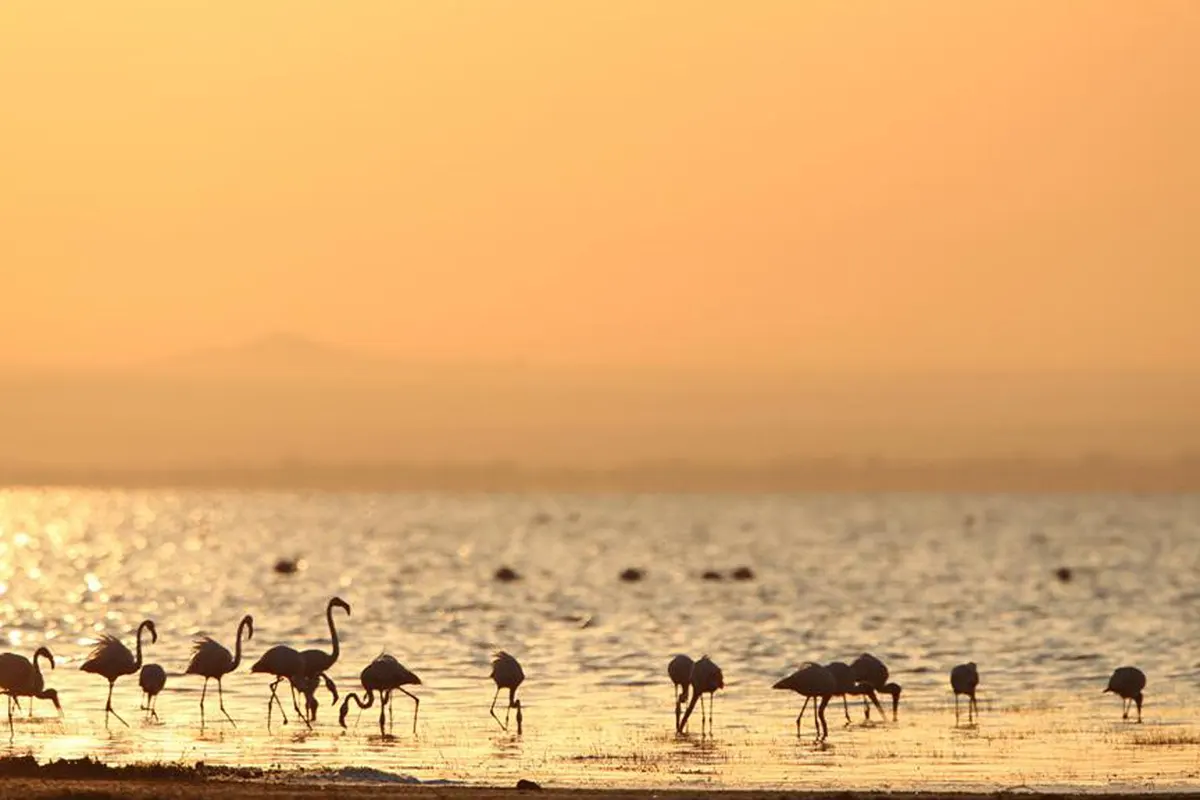
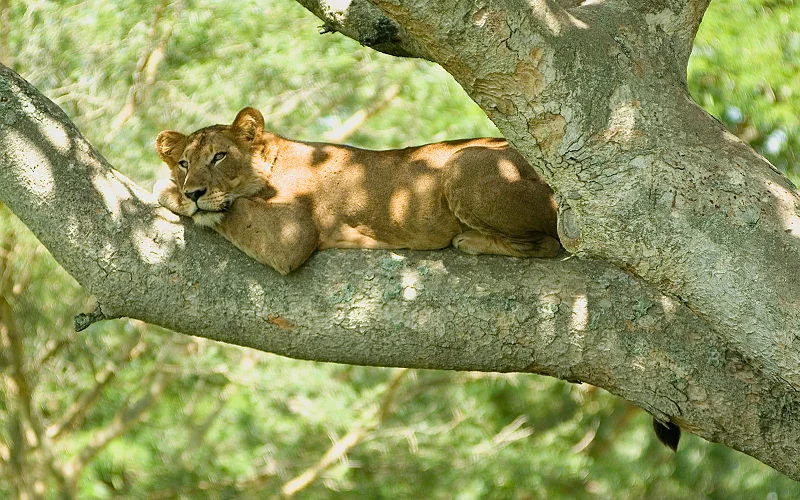
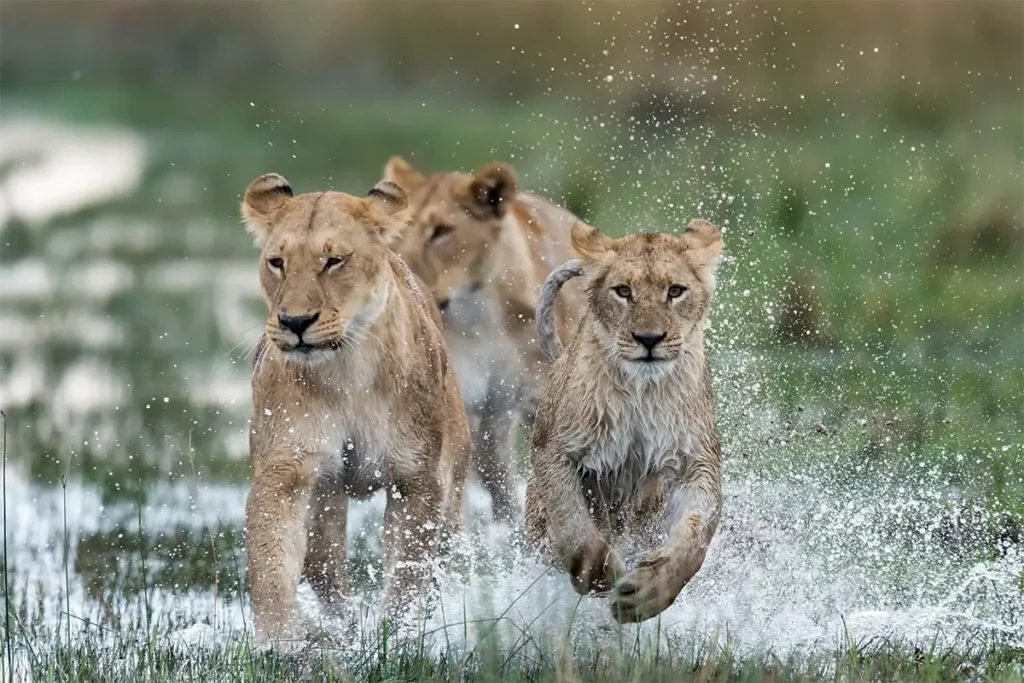
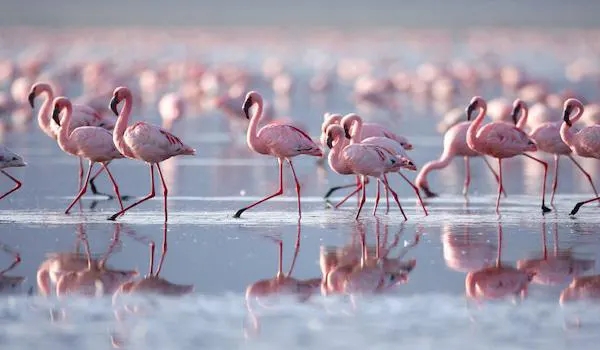
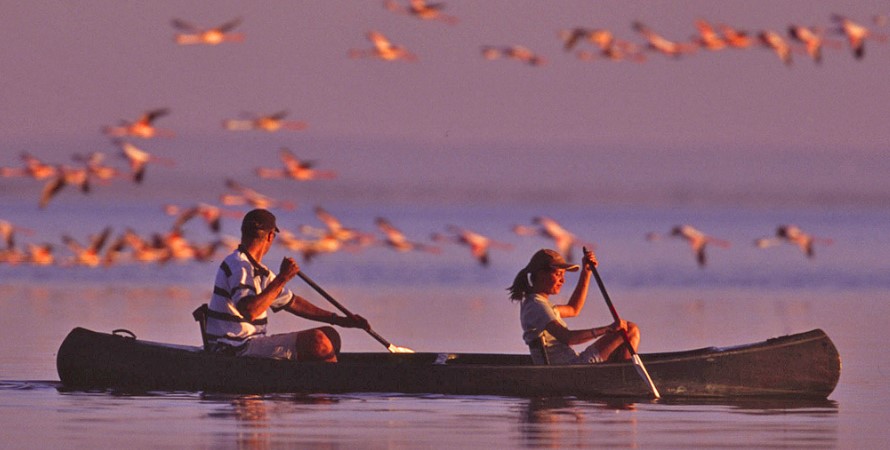
Lake Manyara National Park, situated at the base of the Great Rift Valley escarpment, offers a unique and breathtaking safari experience. Covering approximately 330 square kilometers, of which about 230 square kilometers are lake, this park is a sanctuary for wildlife and a paradise for birdwatchers, with over 400 bird species recorded. Famous for its tree-climbing lions, vast elephant herds, and pink-hued flamingos, Lake Manyara provides a picturesque setting for an unforgettable adventure.
The park was officially established in 1960, designed to protect the unique biodiversity of the area and the alkaline Lake Manyara itself, which covers as much as 200 square kilometers of the park during the wet season. Before its establishment as a national park, the area was frequented by the Maasai people, who grazed their livestock on the vast grasslands alongside the wild animals that roamed freely.
Lake Manyara National Park is one of the few places on Earth where lions are known to climb trees. This unique behavior is a spectacular sight and offers a rare glimpse into the adaptability and mysterious habits of these majestic big cats.
Spanning across forest, bush plains, and alkaline lake environments, Lake Manyara National Park boasts diverse ecosystems. This variety supports a wide range of wildlife, offering visitors a comprehensive safari experience in a relatively compact area.
Home to over 400 bird species, Lake Manyara National Park is a paradise for birdwatchers. From the iconic pink flamingos that seasonally adorn its shores to the large flocks of pelicans, the park offers exceptional birding opportunities against a backdrop of stunning landscapes.

When water levels are high, canoeing on Lake Manyara offers a serene and intimate way to experience the park's abundant birdlife and scenic beauty. Glide across the tranquil waters for a unique perspective of wildlife and the picturesque landscape.
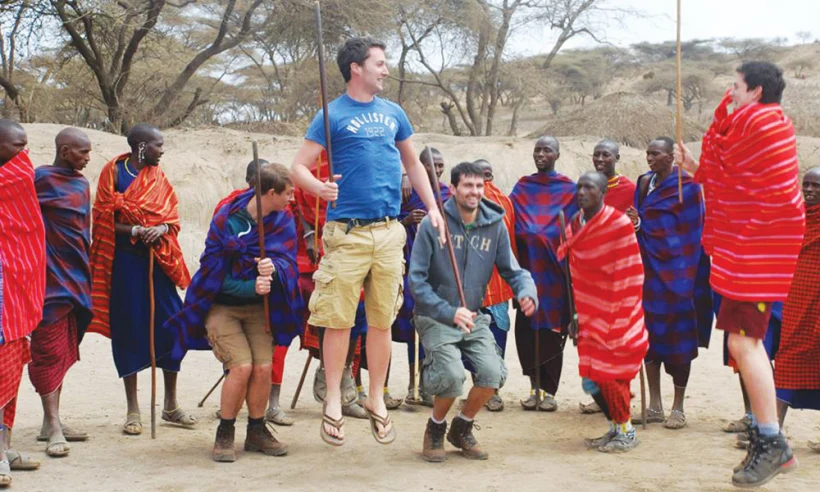
Engage with the local communities around Lake Manyara National Park through cultural tours. Visit the nearby Maasai and Barabaig villages to learn about their rich heritage, traditional lifestyles, and the symbiotic relationship they share with the land and its wildlife.

Experience the thrill of walking among the treetops on Lake Manyara's Treetop Walkway. This canopy tour offers a bird's-eye view of the forest, allowing visitors to get up close to the park's diverse bird species and enjoy panoramic views of the surrounding area.
The park is accessible and rewarding to visit year-round, but the best wildlife viewing is during the dry season from July to October. This period offers easier wildlife spotting as animals congregate around water sources. For bird enthusiasts, the wet season from November to June is ideal, as the park becomes a birdwatcher's paradise with migratory species enhancing the local bird population.
| Month | Jan | Feb | Mar | Apr | May | Jun | Jul | Aug | Sept | Oct | Nov | Dec |
|---|---|---|---|---|---|---|---|---|---|---|---|---|
| Season |
Lake Manyara National Park is located approximately 126 km west of Arusha, making it easily accessible for a day trip or as part of a northern circuit safari. The most common ways to get there are: By Road: A 1.5 to 2-hour drive from Arusha, depending on the starting point and traffic. Many safari operators offer tours to Lake Manyara, providing an easy and convenient way to visit. By Air: For those coming from farther away or looking to save time, flights to Lake Manyara Airport from major cities or other national parks are available. From the airport, it's a short drive to the park entrance.
Lake Manyara National Park caters to a range of preferences and budgets, from luxury lodges perched on the escarpment with stunning views to comfortable tented camps close to nature. There are also campsites within the park for those who prefer a more rustic and immersive experience. Booking in advance is highly recommended, especially during the peak tourist seasons.
Entry fees are required for all visitors and vary based on residency status. Fees contribute to the conservation efforts and maintenance of the park. It's important to familiarize yourself with and adhere to park regulations to protect the wildlife and environment. These include rules about staying in vehicles on designated roads, keeping noise to a minimum, and not feeding the animals.
Since its inception, Lake Manyara National Park has been at the forefront of conservation initiatives in Tanzania. Efforts have been focused on protecting its unique ecosystems and the species that inhabit them. The park serves as a crucial study area for ecological and wildlife research, contributing valuable data towards the conservation of Tanzania’s natural heritage.
Lake Manyara National Park is renowned for its tree-climbing lions, diverse ecosystems, and rich birdlife, offering unique safari experiences and a paradise for nature lovers.
The best time to visit is during the dry season from July to October for wildlife viewing and the wet season from November to June for bird watching.
The park is accessible by road, approximately 126 km west of Arusha, or by air with flights to Lake Manyara Airport.
Accommodations range from luxury lodges to comfortable tented camps and rustic campsites, catering to various preferences and budgets.
Yes, Lake Manyara National Park offers guided tours, including game drives, birdwatching excursions, and cultural tours. These tours are led by experienced guides who provide insightful commentary on the park's ecosystems and inhabitants.
Activities such as canoeing and boat tours are available during certain times of the year when water levels are high enough, offering unique perspectives of the park's aquatic and bird life.
Absolutely, Lake Manyara National Park is family-friendly, offering activities and sights that appeal to all ages. The park's diverse wildlife and beautiful landscapes provide a thrilling and educational experience for children and adults alike.
During walking safaris, it's important to maintain a safe distance from wildlife and follow the instructions of your guide at all times. Never approach, feed, or attempt to interact with the animals.
While not always necessary, booking your visit in advance, especially during peak tourist seasons, is recommended to ensure availability of accommodations and guided tours. Advance booking can also facilitate a smoother entry process into the park.
Lake Manyara National Park is involved in various conservation projects aimed at preserving its unique biodiversity and ecosystems. These include habitat restoration, anti-poaching initiatives, and community outreach programs to promote sustainable coexistence.
Lake Manyara National Park is a captivating destination, celebrated for its tree-climbing lions, diverse ecosystems, and rich birdlife. Offering unique safari experiences, it enchants visitors with its natural beauty and wildlife diversity. An ideal spot for nature lovers, it promises unforgettable adventures and serene escapes into the wild.
Explore unparalleled adventures with Sahara Destinations: climb mountains, safari, and beach. Captivating landscapes, vibrant cultures—your extraordinary journey awaits!
Sahara Destinations Tanzania
Typically replies within minutes
Any questions related to Lake Manyara National Park?
WhatsApp Us
🟢 Online | Privacy policy
WhatsApp us